Why Every Founder Needs an Inbox Asset Before the Algorithm Turns on Them
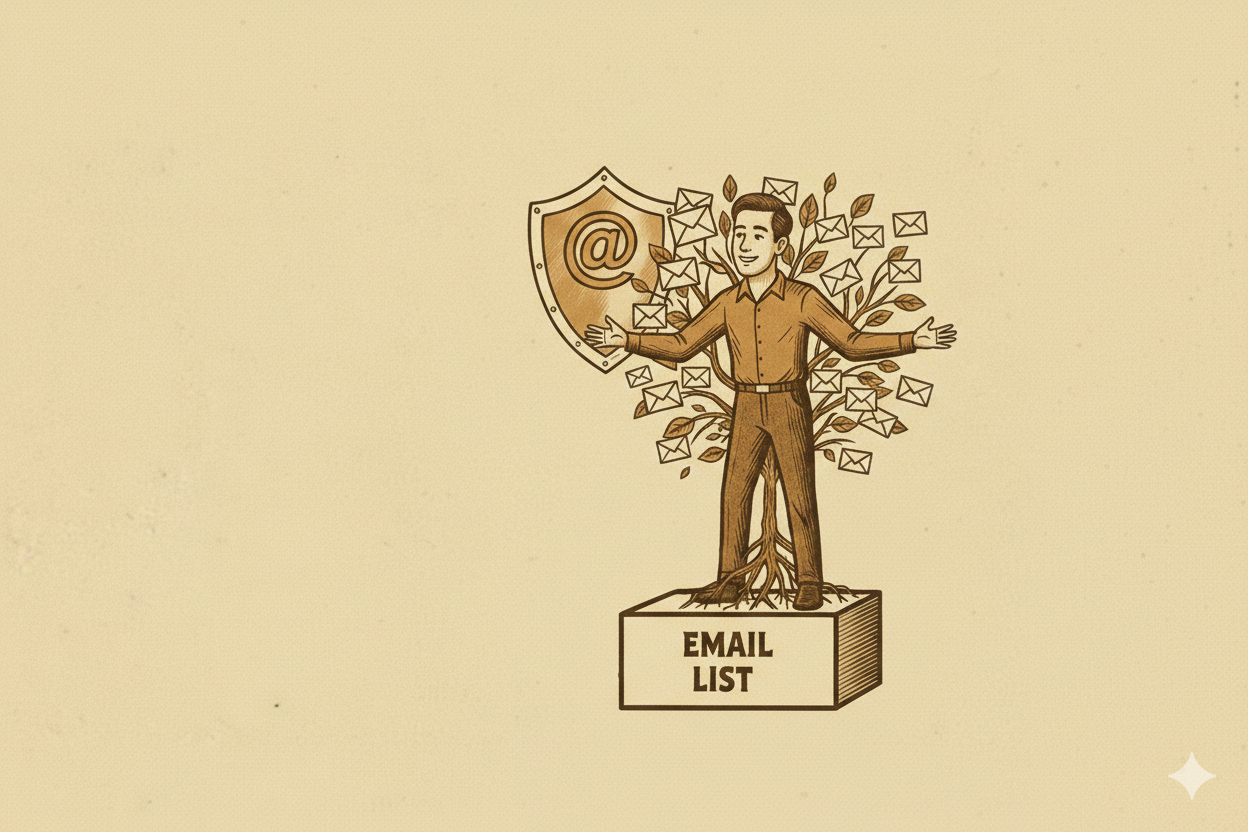
Algorithms are fickle. One week, your content reaches thousands. The next, the platform quietly throttles you, your engagement drops, and your "audience" vanishes. If you've built your growth on followers you don't control, this isn't theory, it's inevitable.
I've seen founders pour months into building social followings, only to watch engagement decay when the platform changes its rules. The cold truth? Social reach is rented attention. Email, however, is owned. And owning your audience isn't optional, it's survival.
I Own the Inbox, or I Don't Exist
A newsletter isn't just another marketing channel. It's a hedge. Every subscriber is a direct connection, not a faceless metric in a feed. Algorithms don't dictate who opens your email. Your audience chooses you. And unlike social, the signal doesn't decay overnight.
Founders who understand this treat their inbox like a strategic asset, not a broadcast tool. They don't chase vanity metrics; they cultivate engagement, trust, and repeat attention.
Platform Risk Is Real
Instagram, X, LinkedIn, TikTok, they all operate on their rules, which can shift without warning. Organic reach can collapse in a single update. Paid ads can suddenly get expensive. Accounts can be shadowbanned or deleted.
When your growth depends entirely on these channels, you're exposed. You're at the mercy of someone else's system. An inbox asset insulates you from that volatility. This is exactly why your newsletter audience matters more than followers.
Audience reach control: inbox vs algorithm-dependent channels
Score = how much control you have over who sees your content.
LinkedIn newsletters look like email but they are not. LinkedIn controls who sees them. Your ESP does not.
Reach Decay Is Invisible Until It Hits
Every founder has experienced the slow drip: likes and comments plateau. Shares decline. Impressions shrink. You post the same brilliant content, but it barely moves the needle. That's reach decay, a silent killer of momentum.
Newsletters don't decay the same way. Every issue lands in a personal space, ready to be opened, read, and acted on. Unlike platforms, email doesn't bury your voice behind an opaque algorithm.
The Power of Ownership
Owning your audience means you can:
- Speak directly: no gatekeepers, no middlemen.
- Build trust: your words aren't competing with trending noise.
- Monetize ethically: offers, partnerships, and products reach people who actually want to hear from you. Learn how to monetize without losing trust.
- Iterate quickly: test ideas, pivot messaging, and grow without external friction.
A newsletter is a permanent, compounding asset. Every subscriber adds value. Every issue strengthens the relationship. Unlike social, this value doesn't evaporate overnight.
How to Think About Your Inbox Asset
- Start small, focus on value: One meaningful newsletter per week beats three mediocre ones. Build a weekly newsletter ritual that sticks.
- Prioritize engagement over growth: Open rates, replies, clicks, these matter more than vanity numbers.
- Be consistent: A predictable cadence builds expectation, not anxiety. Avoid newsletter burnout by finding your sustainable rhythm.
- Treat it as owned real estate: This isn't just marketing, it's your strategic moat.
Action Steps
- Audit your current audience: Who do you actually "own" vs. who lives on rented platforms?
- Commit to a weekly or biweekly newsletter focused on high-value insights for your niche.
- Capture emails on your landing page, your content, and your product onboarding.
- Measure engagement closely, not just subscriber count. Track the metrics that actually matter.
Founders who treat their inbox as an asset build a shield against the chaos of platform dependency. Those who don't? They're just renting attention that can disappear tomorrow.
Ready to build your inbox asset? Schedule a free consultation and let's create a newsletter strategy that compounds.
Q&A Section
Isn't social media enough for reach? Not if your goal is permanence. Social platforms are marketing tools, not audience ownership. Reach decays. Algorithms change. A newsletter is a hedge that survives the noise.
How many subscribers should I aim for? Quality over quantity. Start with an engaged core of 500–1,000, then focus on retention, engagement, and incremental growth. Here's how to get your first 1,000 subscribers.
Can I integrate email with social? Absolutely. Use social to drive signups, but never rely on social to sustain your voice. Your newsletter should be the hub, social the amplification.
How do I make my newsletter feel authentic? Write like a human, not a brand. Follow this framework to make your newsletter feel personal.
Framework Summary
- Platform risk is structural: Algorithms throttle reach without warning; founders who rely solely on social are permanently exposed to someone else's business decisions.
- Inbox asset vs. rented attention: Every subscriber is a direct connection you own — not a metric in another platform's database that can be restricted or deleted.
- The ownership dividend: Direct communication, trusted positioning, ethical monetization, and rapid iteration all become possible only when you own the channel.
- Four action steps to build your inbox asset: (1) Audit owned vs. rented audience, (2) commit to a weekly/biweekly cadence, (3) capture emails at every owned touchpoint, (4) track engagement metrics — not just subscriber count.
- Reach decay vs. email durability: Social engagement decays within hours; emails persist in inboxes and compound in relationship value with each send.
Written by

Investor • Founder • Creator
Ryan Estes is co-founder of Kitcaster, an eight-figure bootstrapped podcast booking agency acquired by Moburst in 2025. He created AI for Founders, a podcast, newsletter, and workshop platform reaching 47,000+ entrepreneurs and CEOs. Based in Denver, Colorado.