Newsletter Engagement Segments: Behavioral Triggers That Double Open Rates
Most founders treat their entire email list like one audience. That's why their open rates plateau at 22% while competitors hit 45%.
Behavioral segmentation splits your list by actions, not demographics. When Litmus analyzed 12 billion emails, they found that behavioral triggers improve engagement by 74% compared to broadcast sends. You're leaving money on the table every time you hit send to everyone at once.
Your subscribers tell you exactly what they want through their behavior. Some open every email. Others haven't clicked in months. The founders who win treat these groups differently.
The Five Core Newsletter Engagement Segments Every Founder Needs
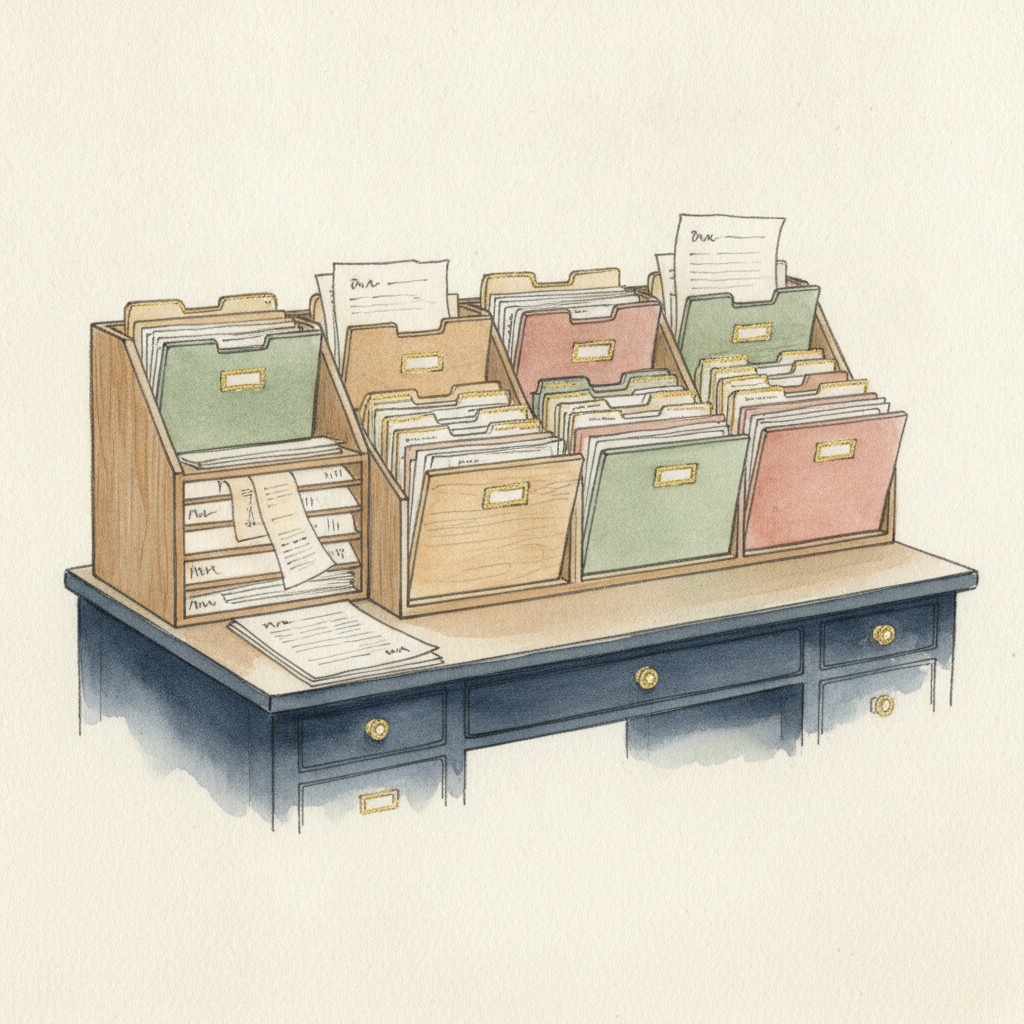
Start with these five segments. They cover 95% of your list behavior.
Highly engaged subscribers open 75% or more of your last 10 emails. They're your evangelists. These people forward your content, reply with questions, and buy when you launch. Give them early access to new offers and exclusive content. They've earned it.
Moderately engaged subscribers open 25% to 74% of emails. They're interested but distracted. Send them your strongest content first. Test subject lines on this group because they're persuadable.
Low engagement subscribers open under 25% but haven't unsubscribed. They might be busy, or your content shifted away from what they signed up for. Try a win-back sequence before you cut them loose.
Non-openers haven't opened in 60+ days. Your emails likely hit spam or they use a different address now. Send a last-chance email, then remove them. Email deliverability suffers when you keep dead weight, and ISPs notice.
New subscribers joined in the last 30 days. Their first month determines everything. Send them your best content upfront, not your average Tuesday email. First impressions compound.
According to HubSpot's engagement research, segmented campaigns get 14.31% higher open rates and 100.95% higher click rates than non-segmented sends. Those aren't marginal gains. They're the difference between a newsletter that grows your business and one that wastes your time.
Behavioral Triggers That Automate Engagement Segmentation
Manual segmentation dies when your list hits 500 subscribers. Automation keeps it alive.
Link click triggers move subscribers between segments instantly. Someone who clicks three links in one email is highly engaged, even if they usually ignore you. Tag them. Send a follow-up offer within 24 hours while intent is hot.
Open frequency triggers track patterns over rolling 30-day windows. A subscriber who opens five emails in a row just signaled interest. Don't wait for your next broadcast. Send them something valuable now.
Purchase behavior triggers separate buyers from browsers. Someone who bought once is 9x more likely to buy again than a cold subscriber. Create a buyer-only segment and send product updates, case studies, and early access offers.
Reply triggers identify your most engaged humans. Someone who replies to your email wants a conversation. Tag them as "high-intent" and prioritize those relationships. These turn into partnerships, referrals, and sales.
Time-based decay triggers automatically downgrade subscribers who stop engaging. After 45 days without an open, move them to low engagement. After 90 days, send a win-back sequence. After 120 days, remove them. This keeps your list clean and your deliverability high.
Mailchimp found that automated behavioral emails generate 320% more revenue than standard promotional emails. The difference is relevance. When you send the right message to the right segment at the right time, conversion rates explode.
Content Strategy for Each Engagement Segment
Different segments need different content. Stop sending everyone the same thing.
For highly engaged subscribers, go deep. Send longer formats, controversial takes, and insider analysis. They're already bought in. Give them content worth forwarding. Ask for testimonials and referrals directly. These people want to help you grow.
For moderately engaged subscribers, lead with outcomes. Use clear CTAs and specific benefits in every email. They need proof before they commit. Case studies, data, and social proof work better than thought leadership.
For low engagement subscribers, simplify everything. Shorter emails, clearer subject lines, one idea per send. Test sending from a personal email address instead of your company name. Sometimes all they need is to remember why they subscribed.
For non-openers, send a re-permission campaign. Ask if they still want to hear from you. Make it easy to update preferences instead of unsubscribing. A subscriber who re-opts in is as valuable as a new sign-up.
For new subscribers, frontload value. Your first five emails determine retention. Send your best content first, not last. According to Campaign Monitor's onboarding data, subscribers who engage in their first week have 4x higher lifetime value than those who don't.
Map out different content series for each segment. An engaged subscriber should get different emails than someone who just joined. This seems obvious, but most founders ignore it because broadcast emails are easier.
Technical Setup for Newsletter Engagement Segments in Major Platforms
Most email platforms support basic segmentation. Advanced behavioral triggers require more setup.
Beehiiv lets you segment by open rate, click rate, and custom fields. Create automations that move subscribers between segments based on 30-day activity windows. Tag high-intent subscribers manually when they reply or forward your content.
ConvertKit uses tags and sequences for behavioral segmentation. Set up link triggers that apply tags when someone clicks specific URLs. Use those tags to branch automations and send targeted content.
Mailchimp has built-in engagement segments based on open and click behavior. You can create custom segments using conditions like "opened any of last 5 campaigns" or "clicked specific link in last campaign." Combine conditions to get granular.
Start with three segments: highly engaged (75%+ open rate), moderately engaged (25-74%), and low engaged (under 25%). You can add complexity later. The goal is action, not perfection.
Track these metrics per segment:
- Open rate by segment
- Click rate by segment
- Reply rate by segment
- Conversion rate by segment
- Revenue per subscriber by segment
When you measure engagement by segment instead of overall list performance, you spot problems faster. If your highly engaged segment drops from 45% to 38% open rate, something changed. Fix it before the entire list tanks.
Why Engagement Segmentation Compounds Over Time
Segmentation creates a flywheel. Better targeting improves engagement. Higher engagement improves deliverability. Better deliverability puts you in more inboxes. More inbox placement means more engagement.
ISPs watch engagement rates. Gmail, Outlook, and Apple Mail use engagement signals to decide if you're a sender worth prioritizing. When 50% of your list ignores you, they assume you're spam. When 50% of your list opens and clicks, they assume you're valuable.
Removing non-engaged subscribers improves your sender reputation. This sounds counterintuitive. Most founders hoard subscribers like engagement trophies. But a clean list of 2,000 engaged readers beats a bloated list of 10,000 dead emails every time.
According to Statista's email marketing research, the average email list decays by 22.5% per year. People change jobs, abandon email addresses, and lose interest. Segmentation helps you identify decay before it kills your metrics.
Engagement segmentation also reveals content gaps. If moderately engaged subscribers love product updates but ignore thought leadership, you know what to write more of. Let behavior guide strategy instead of guessing.
This compounds because engaged subscribers refer other engaged subscribers. Your list quality improves over time instead of degrading. That's rare in email marketing.
Frequently Asked Questions
How often should I update newsletter engagement segments?
Update engagement segments every 30 days using rolling windows. This catches behavior changes without overreacting to single emails. Some platforms automate this. If you're manual, set a monthly calendar reminder to review and re-segment your list based on recent opens, clicks, and purchases.
What open rate qualifies as highly engaged for newsletter segments?
A highly engaged subscriber opens 75% or more of your last 10 emails. This threshold works across industries and list sizes. Anything below 25% counts as low engagement and needs reactivation or removal. The middle 25-74% range represents your growth opportunity where better content and timing drive the biggest gains.
Should I remove subscribers who never open my newsletter?
Yes, remove subscribers after 120 days of zero opens. Send a win-back campaign first, but non-openers hurt deliverability and inflate your costs. According to Campaign Monitor, cleaning disengaged subscribers improves inbox placement rates by 10-15% within 30 days. Quality beats quantity in email every time.
How do behavioral segments differ from demographic segments in newsletters?
Behavioral segments track what subscribers do (opens, clicks, purchases). Demographic segments group by who they are (industry, company size, role). Behavioral segmentation performs better because actions predict intent more accurately than attributes. Someone who clicked three links this week is hotter than a VP who hasn't opened in a month.
Can small newsletters under 500 subscribers benefit from engagement segmentation?
Absolutely. Start with three simple segments: engaged, neutral, and dormant. Even with 100 subscribers, sending your best content to the 30 who always open improves results immediately. Segmentation habits scale better than trying to retrofit them later. Small lists let you test and refine your approach before automation becomes necessary.
Conclusion
Track five core segments: highly engaged, moderately engaged, low engaged, non-openers, and new subscribers. Set up behavioral triggers that move people between segments automatically based on opens, clicks, and time decay. Send different content to each segment instead of broadcasting to everyone.
If you want a newsletter that compounds revenue instead of just sending updates, Inbox Alchemy builds and grows your newsletter for you. Book a free strategy call at inboxalchemy.co/application.
Written by

Investor • Founder • Creator
Ryan Estes is co-founder of Kitcaster, an eight-figure bootstrapped podcast booking agency acquired by Moburst in 2025. He created AI for Founders, a podcast, newsletter, and workshop platform reaching 47,000+ entrepreneurs and CEOs. Based in Denver, Colorado.