Newsletter Win-Back Campaigns That Reactivate Dead Subscribers
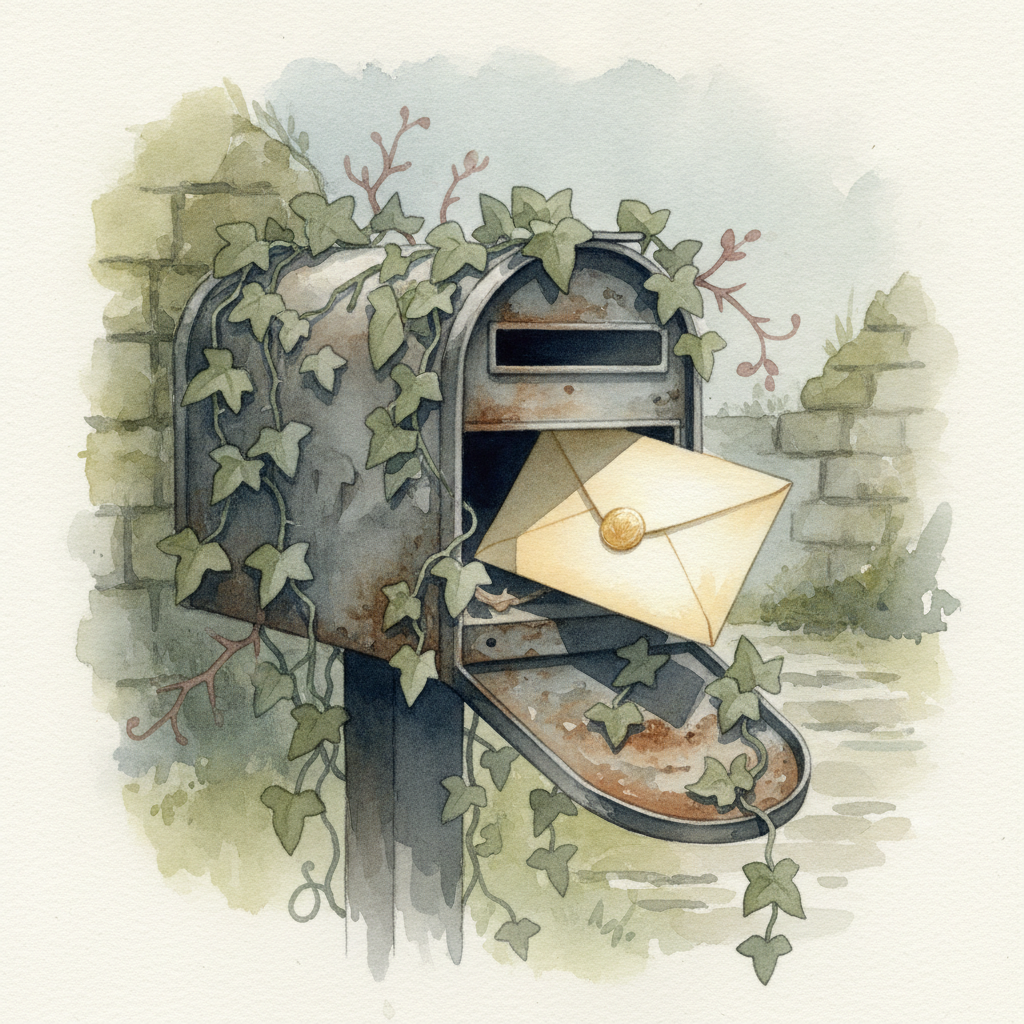
Your list has ghosts. Subscribers who opened every email for months, then vanished. They didn't unsubscribe. They just stopped caring. Most founders let these contacts rot. Big mistake. A targeted win-back campaign converts 15 to 25 percent of cold subscribers back into active readers, according to Campaign Monitor's reengagement research. That's found money sitting in your database.
Win-back campaigns work because they interrupt the pattern. Your regular newsletter became invisible. A different subject line, tone, and offer cuts through. The best sequences acknowledge the silence, offer real value, and give subscribers a clear path back in or out. No guilt trips. No desperate begging. Just direct communication that respects their time.
This guide shows you the exact framework that reactivates dormant subscribers without damaging your sender reputation or annoying active readers.
Identifying Win-Back Campaign Candidates Without Killing Deliverability
Segment before you send. Pull subscribers who haven't opened in 60 to 90 days but remain on your list. Exclude anyone who opened in the last 30 days. Most platforms track engagement automatically. In Beehiiv, create a segment for "no opens in last 90 days." In Mailchimp, use engagement tags. Never send win-back emails to your entire list. That tanks open rates and triggers spam filters.
Set a clear threshold. For weekly newsletters, 90 days means 12 to 13 missed emails. For monthly sends, 90 days is only 3 issues. Adjust your window based on frequency. If someone hasn't opened in 6 months on a weekly schedule, they're cold. On a monthly schedule, 6 months might still be warm.
Check your numbers first:
- Total subscribers in the 90-day no-open segment
- Percentage of total list (if over 40 percent, you have bigger problems)
- Last open date for each contact
- Source of subscription (paid ads, organic, lead magnet)
Exclude recent signups. Anyone who joined in the last 30 days gets a pass even if they haven't opened. They might need more time. Also exclude anyone who clicked a link without opening. Some email clients don't register opens but track clicks. Those subscribers are engaged.
Test your segment on a small batch first. Send to 100 contacts and watch bounce rates, spam complaints, and unsubscribes. If you see spikes, tighten your criteria. According to Litmus email engagement data, healthy win-back campaigns see unsubscribe rates of 2 to 5 percent. That's acceptable. You're cleaning house.
The Three-Email Win-Back Sequence Framework That Converts
One email won't cut it. The most effective win-back sequences send three emails spaced 7 to 10 days apart, each with a different angle. Email one acknowledges the gap. Email two delivers pure value with no ask. Email three offers a clean exit or a reason to stay.
Email one: "We miss you, here's why you subscribed." Subject line: "Did we lose you?" or "Still interested in [specific outcome]?" Body copy reminds them why they signed up. Reference the lead magnet, the problem you solve, or the transformation you promised. Include one recent win from a subscriber or client. No hard sell. Just a gentle ping with a single CTA to confirm they want to stay.
Email two: "Here's something valuable, no strings attached." Send your best content. A case study, a framework, a tool, a resource that delivers immediate results. Subject line: "A gift (whether you stay or not)." This email has zero promotional language. Pure generosity. Emails that lead with value before asking for commitment see 3x higher reactivation rates than emails that beg subscribers to stay. End with a soft CTA: "Want more like this? You're still subscribed."
Email three: "Stay or go, your choice." Subject line: "Last email from us (unless you want more)." Be direct. "You haven't opened our emails in [X] months. We'd love to keep you, but only if this is valuable. Click here to confirm you want to stay. Otherwise, we'll remove you in 7 days." Include an unsubscribe link and a "yes, keep me subscribed" button. This cleans your list and boosts engagement for those who stay.
Space emails 7 to 10 days apart. Don't rush. Subscribers need time to process each message. Too fast feels spammy. Too slow loses momentum.
Crafting Win-Back Subject Lines That Cut Through Inbox Noise
Your subject line has one job: get the open. Forget your normal style. Win-back subject lines need pattern disruption. Subject lines with personalization and urgency lift open rates by 26 percent, according to HubSpot's email marketing benchmarks. Use the subscriber's name, reference their silence, or create mild curiosity.
Patterns that work:
- Direct acknowledgment: "We noticed you're gone" or "Haven't seen you in a while"
- Benefit reminder: "Still want [specific outcome]?" or "Remember why you signed up?"
- Urgency without pressure: "Last chance to stay on the list" or "Removing inactive subscribers this week"
- Curiosity with relevance: "What changed?" or "Did we mess up?"
- Value-first: "A resource for you (no catch)" or "This one's free, even if you leave"
Avoid these traps:
- "We miss you" (generic, overused)
- "Come back!" (desperate)
- "Special offer inside" (feels like a bribe)
- "Don't leave us" (guilt trip)
Test two subject lines on a small segment before full send. A/B test email one of your sequence. The winner becomes your control. Length matters. Keep subject lines under 50 characters. Mobile truncates anything longer.
Include preheader text that extends the subject line's promise. If your subject is "Still interested in faster sales cycles?", preheader could be "Here's what's new since you last opened." For guidance on preheader strategy, see our post on newsletter preheader text.
Measuring Win-Back Campaign Success Beyond Open Rates
Opens matter, but reactivation is the real metric. A successful win-back campaign moves 15 to 25 percent of targeted subscribers from cold to active over 30 days. Track these numbers:
Reactivation rate: percentage of recipients who open or click any email in the sequence. Calculate by dividing total unique opens across all three emails by total recipients. If you sent to 1,000 cold subscribers and 200 opened at least one email, your reactivation rate is 20 percent.
Sustained engagement rate: percentage who open your next regular newsletter after completing the win-back sequence. This is the number that matters. If they open the win-back but ignore your next issue, they're still cold. Track opens for the next 3 regular sends. If they open 2 out of 3, they're reactivated.
Unsubscribe rate: percentage who leave during the sequence. Expect 2 to 5 percent. Higher than 10 percent means your list was too cold or your messaging missed. Lower than 2 percent means you didn't give them a clear exit.
Revenue impact: track purchases, bookings, or conversions from reactivated subscribers in the 60 days post-campaign. Many reactivated subscribers convert faster than new signups because they already know you. Tag them in your CRM to measure lifetime value.
Compare these metrics to your regular newsletter performance. If reactivated subscribers engage at 80 percent of your active list's rate, the campaign worked. If they drop back to zero opens within 30 days, they were never truly reactivated.
Segment reactivated subscribers separately. Send them a modified version of your welcome sequence to re-onboard them. They need a refresh on who you are and what you offer.
Preventing Future Disengagement With Proactive List Hygiene
Win-back campaigns fix the problem. List hygiene prevents it. Removing inactive subscribers every 90 days improves deliverability by 20 to 30 percent, according to email deliverability experts. Internet service providers watch engagement. Low open rates flag you as spam. A clean, engaged list keeps you in the inbox.
Set a recurring engagement review. Every quarter, segment subscribers by last open date:
- Active: opened in last 30 days
- Warm: opened 30 to 60 days ago
- Cool: opened 60 to 90 days ago
- Cold: no opens in 90-plus days
Send win-back campaigns to cold subscribers. Remove anyone who doesn't reactivate after the three-email sequence. Yes, your total subscriber count drops. Your engagement rate skyrockets. That's the trade you want.
Monitor engagement by acquisition source. If subscribers from a specific lead magnet or ad campaign consistently go cold, the source is the problem. Either the offer attracted the wrong people or your content doesn't match expectations. Shut down underperforming sources.
Create engagement-based segments for your regular sends. Send different content to active versus warm subscribers. Active readers get your full newsletter. Warm subscribers get a condensed version with a single strong CTA to re-engage. This prevents them from sliding to cold.
Build feedback loops. Every few months, survey your active list. Ask what they want more of, less of, and why they stay subscribed. Use those insights to keep content relevant. For survey strategies, check our guide on newsletter subscriber surveys.
Automate sunset sequences. After a win-back campaign, anyone who still doesn't open goes into a final automated sequence: one last email confirming removal. This keeps your list fresh without manual work.
Frequently Asked Questions
How often should I run newsletter win-back campaigns for inactive subscribers?
Run win-back campaigns quarterly for lists with high churn or every 6 months for stable lists. More frequent campaigns train subscribers to ignore you until you beg. Less frequent campaigns let dead weight accumulate and damage deliverability. Set a calendar reminder. Review your cold segment each quarter. If it's over 15 percent of your list, run a campaign immediately.
What's the best time to send win-back emails to disengaged newsletter subscribers?
Send win-back emails at different times than your regular newsletter. If you normally send Tuesdays at 9 AM, try Thursdays at 2 PM. Pattern disruption increases opens. Test weekends for B2B audiences. According to Mailchimp's send time data, off-pattern sends to cold lists see 18 percent higher open rates because they break subscriber expectations.
Should I offer discounts or free resources in newsletter win-back campaigns?
Offer value, not bribes. Free resources like case studies, frameworks, or tools work better than discounts. Discounts attract bargain hunters who churn again. Value attracts engaged subscribers. If you sell a product, a small gift or bonus content works. If you're building authority, exclusive insight or early access to content performs better. Test both and track sustained engagement, not just immediate opens.
How do I write a win-back email that doesn't sound desperate or needy?
Use direct language and give subscribers control. Avoid phrases like "We miss you" or "Please come back." Instead: "You haven't opened our emails in 3 months. If this isn't useful anymore, no hard feelings. Click here to unsubscribe. If you want to stay, click here to confirm." Confidence beats desperation. Respect their choice. Subscribers respond to honesty and clarity, not guilt.
Can win-back campaigns damage my email sender reputation or deliverability?
Yes, if you send to extremely cold contacts or ignore bounces. Sending to subscribers who haven't opened in 12-plus months risks spam complaints. Start with 90-day cold lists. Monitor bounce rates, spam complaints, and unsubscribes closely. If any metric spikes above 5 percent, stop the campaign and tighten your segment. A well-executed win-back campaign improves deliverability by removing dead weight and re-engaging real people.
Conclusion
Win-back campaigns turn dead subscribers into revenue. Segment contacts who haven't opened in 90 days. Send a three-email sequence: acknowledge the gap, deliver pure value, offer a clean choice. Write subject lines that disrupt patterns. Track reactivation rate and sustained engagement, not just opens. Clean your list quarterly to prevent future disengagement. A 20 percent reactivation rate on a 1,000-subscriber cold segment adds 200 active readers who already know your name. That's 200 potential clients, partners, or advocates you didn't have yesterday.
If you want a high-engagement newsletter without managing sequences, Inbox Alchemy builds and grows your newsletter for you. Book a free strategy call at inboxalchemy.co/application.
Written by

Investor • Founder • Creator
Ryan Estes is co-founder of Kitcaster, an eight-figure bootstrapped podcast booking agency acquired by Moburst in 2025. He created AI for Founders, a podcast, newsletter, and workshop platform reaching 47,000+ entrepreneurs and CEOs. Based in Denver, Colorado.