Newsletter Content Distribution Strategy: Turn One Email Into 15 Touchpoints
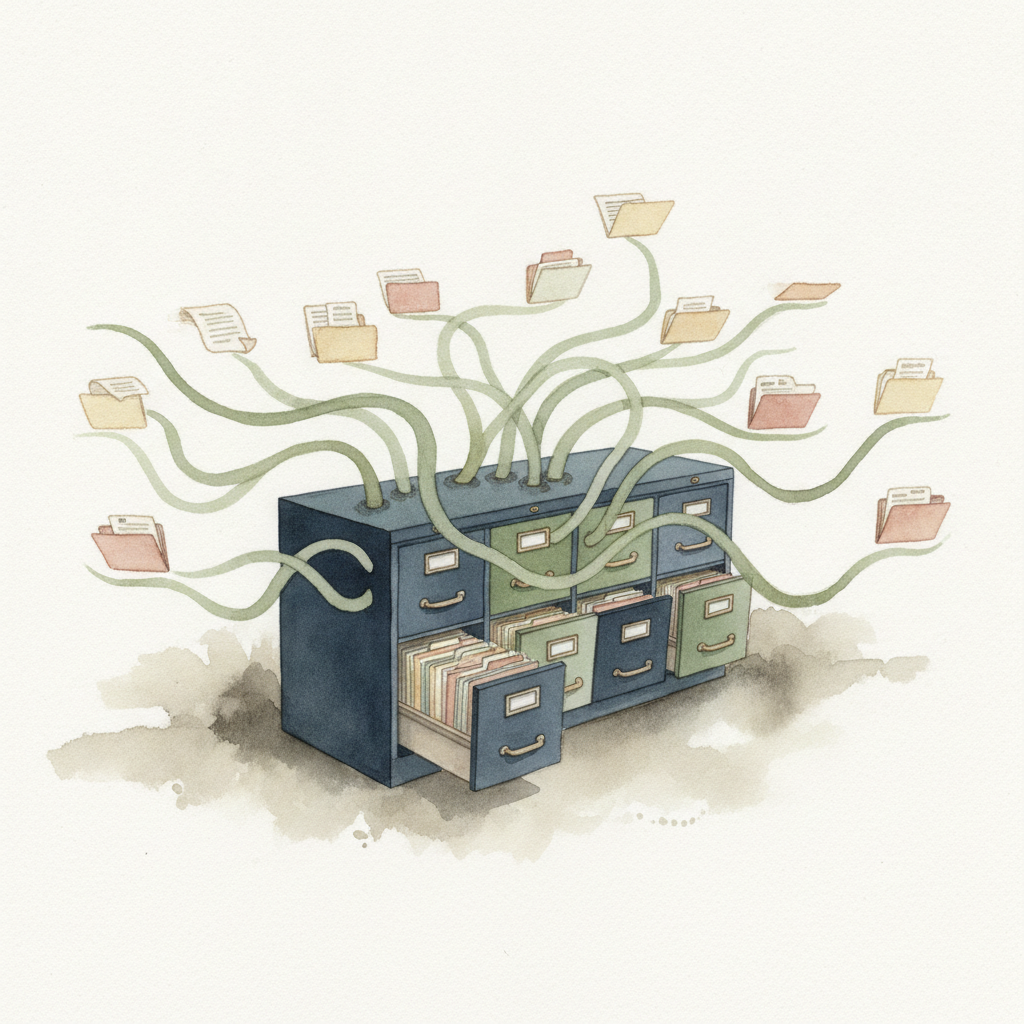
You spent four hours writing your newsletter. You hit send. A few hundred people open it. Then it disappears into the void forever.
That's not a content strategy. That's content waste.
Every newsletter you send contains enough material to create 15 to 20 derivative assets. Most founders write once and stop. The ones who build real authority extract maximum value from every word they write. They understand that distribution multiplies impact more than creation does.
The difference between a newsletter that builds your brand and one that vanishes is what happens after you hit send. This is your complete playbook for turning each newsletter into a month of omnipresent content.
Transform Your Newsletter Into Social Media Content In Under 30 Minutes
Your newsletter already contains your best insights. Mining it for social posts is faster than starting from scratch.
Pull three to five core ideas from each newsletter. Turn each into a standalone post. LinkedIn carousels work especially well: take your numbered list section, split each point across slides, add a hook slide at the start. One newsletter becomes five carousel posts without writing new material.
Twitter threads follow the same logic. Your introduction paragraph becomes the hook tweet. Each subheading becomes a tweet in the thread. Add a conclusion tweet linking back to the full newsletter on your archive page. According to HubSpot's social media research, threads generate 3x more engagement than single tweets.
Pull quotes make excellent LinkedIn text posts. Find your boldest claim from the newsletter. Post it as a standalone statement with context in the comments. Tag relevant people mentioned in the original piece.
Turn statistics into visual posts:
- Screenshot the stat with context
- Create a simple graphic in Canva
- Quote yourself with the source data
- Add "Full breakdown in my newsletter" as the CTA
This process takes 20 to 30 minutes per newsletter. You've just created a week of daily social content from material you already wrote.
Repurpose Newsletter Sections Into Long-Form Platform Content
Each major section of your newsletter can become its own piece of content on different platforms.
Your FAQ section translates directly to Quora and Reddit answers. Copy the question, paste your answer, add "I covered this in detail in my newsletter" with a link. You're providing value while driving traffic to your owned platform. Quora sees 300 million monthly visitors looking for exactly these kinds of answers.
Medium and LinkedIn articles work differently. Take one H2 section from your newsletter. Expand it to 800 to 1,200 words with additional examples and data points. The newsletter becomes your outline; the article becomes the deep dive. Link to the newsletter as "related reading" in your conclusion.
Turn how-to sections into YouTube shorts or Instagram Reels:
- Script directly from your step-by-step lists
- Record yourself explaining each point in 15 to 20 seconds
- Add text overlay of the key takeaway
- Include "Full guide in bio" as the final frame
Your case studies become LinkedIn case study posts. Strip out the narrative, focus on the before/after numbers, add context in the first comment. These consistently outperform generic advice posts.
Each newsletter gives you material for two Medium articles, five Quora answers, three Reels, and ten quote posts. You're not creating new content. You're redistributing existing insights where your audience already spends time.
Build A Content Library That Compounds Authority Over Time
Most newsletter content dies after 48 hours. Smart founders build systems that keep old content working.
Create a Notion database or Airtable base tracking every newsletter you send. Include columns for main topic, key stats, quotes, case studies, and links. When someone asks a question, search your database and send them the relevant newsletter. Your archive becomes your CRM.
Update and repackage old newsletters every quarter. Take your most-opened email from six months ago. Add new data, update examples, change the introduction. Send it as "Updated for 2026" content. Subscribers who missed it the first time get value. Long-time readers get fresh insights.
Build topic clusters from multiple newsletters:
- Group three to five newsletters on related topics
- Create a pillar page summarizing all insights
- Link each newsletter as supporting content
- Optimize the pillar page for your target keyword
Your newsletter archive page becomes an SEO asset when structured this way. Each email adds to your topical authority. Google rewards comprehensive coverage more than one-off posts.
Turn your best newsletters into lead magnets. Take four to six emails on a specific problem. Remove the weekly format. Add transitions between sections. Export as PDF. You've created a guide worth trading an email address for.
Create annual roundups of your top insights. "12 Newsletter Lessons from 2026" packages your year of content into one comprehensive piece. These consistently drive signups from people who discover you late.
Your content library should make every newsletter work harder over time, not disappear after sending.
Leverage Your Newsletter Content In Sales And Partnership Conversations
Your newsletter isn't just marketing. It's sales collateral disguised as content.
Save specific newsletters that address common objections. When a prospect says "I'm not sure this applies to my industry," send them the newsletter where you covered that exact scenario. Newsletters provide proof, not just claims.
Create a "greatest hits" folder in your email client. Tag newsletters that showcase specific expertise, case studies, or frameworks. When opportunity knocks, you have relevant content ready to share within 60 seconds.
Use newsletter content in cold outreach:
- "I wrote about [specific problem] in my newsletter last week"
- "The three companies I profiled saw [specific result]"
- "Here's the exact framework I referenced: [newsletter link]"
This approach works because you're sharing, not selling. The newsletter demonstrates expertise without triggering sales resistance.
Build partnership decks from newsletter insights. Potential collaborators want proof you know your audience. Your open rates, reply rates, and engagement metrics tell that story. Pull quotes from subscriber responses. Show the questions people ask. Prove your audience cares about topics relevant to the partnership.
Include newsletter testimonials in proposals. When subscribers reply "This changed how I think about X," screenshot it. Add it to your pitch deck. Social proof from readers beats marketing copy every time.
Turn high-performing newsletters into talk topics for podcasts and conferences. Conference organizers want speakers who've validated their ideas. Your newsletter metrics prove audience interest. The content becomes your talk outline.
Sales conversations move faster when prospects have already consumed your ideas through your newsletter. They're pre-sold on your thinking before the first call.
Automate Newsletter Content Distribution With Systems, Not More Hours
Manual repurposing dies after three weeks. Sustainable distribution requires systems.
Create content templates for each format. When you finish a newsletter, open your template folder. Copy your LinkedIn carousel template. Paste your key points into predetermined slots. Add your hook and CTA. Done in ten minutes.
Use scheduling tools to batch distribution across 30 days. Write your newsletter on Monday. Spend Tuesday creating derivative content. Schedule everything for the next four weeks. One focused session replaces daily content creation.
Build a repurposing checklist:
- Pull three social media posts (10 minutes)
- Create one long-form platform piece (20 minutes)
- Update content library database (5 minutes)
- Tag for future sales use (5 minutes)
- Schedule all content (10 minutes)
Total time investment: 50 minutes to multiply one newsletter into 15 to 20 touchpoints.
Hire a VA or use tools like Repurpose.io for mechanical tasks. They handle:
- Converting newsletters to blog posts on your site
- Posting to multiple platforms
- Creating graphics from your text
- Tracking engagement across channels
Your role is strategy and quality control, not manual posting. According to research from Campaign Monitor, companies using content repurposing see 3x higher ROI per piece of content.
The system ensures distribution happens whether you feel motivated or not. Consistency builds authority. Your newsletter content becomes a business moat when it's everywhere your audience looks.
Set quarterly reviews to analyze which distribution channels drive the most signups, replies, and business results. Double down on what works. Cut what doesn't.
Frequently Asked Questions
How many pieces of content should I create from each newsletter?
Aim for 10 to 15 derivative pieces per newsletter. This includes 3 to 5 social media posts, 1 to 2 long-form articles, 2 to 3 short-form videos, and updates to your content library. More matters less than consistency. Start with five pieces per newsletter and expand as your system improves.
Should I repurpose newsletters immediately or wait until I have more subscribers?
Start immediately regardless of list size. The content library you build now becomes your authority base later. Repurposing also drives new signups by putting your newsletter in front of audiences on other platforms. Waiting means missing months of compounding distribution.
How long should I wait before resharing old newsletter content?
Wait 90 to 120 days before direct resharing. Your audience forgets specific content faster than you think. Update the introduction and conclusion, add fresh data, and the piece feels new. For derivative content on different platforms, no wait time needed since the format differs from the original.
What if my newsletter content feels too specific to repurpose?
Specificity is an advantage, not a limitation. Narrow insights repurpose better than generic advice. Extract the underlying principle from your specific example. A case study about SaaS companies contains lessons applicable to any B2C business. Focus on the "why" behind your "what" when repurposing.
How do I track which repurposed content drives the most newsletter signups?
Use UTM parameters on every link back to your newsletter signup page. Tag by platform and content type. Most analytics tools show which sources drive signups. Review monthly. If LinkedIn carousels drive 10x more signups than Twitter threads, create more carousels and fewer threads.
Conclusion: Distribution Multiplies What Creation Started
Your newsletter already contains everything you need to dominate your niche. The difference between obscurity and authority is distribution volume, not writing quality.
Three actions that compound immediately: First, build your content library system today so every newsletter becomes a searchable asset. Second, create templates for your three highest-ROI distribution channels. Third, block 60 minutes after each newsletter send for systematic repurposing.
If you want to build authority without burning out on content creation, Inbox Alchemy builds and grows your newsletter for you. Book a free strategy call at inboxalchemy.co/application.
Written by

Investor • Founder • Creator
Ryan Estes is co-founder of Kitcaster, an eight-figure bootstrapped podcast booking agency acquired by Moburst in 2025. He created AI for Founders, a podcast, newsletter, and workshop platform reaching 47,000+ entrepreneurs and CEOs. Based in Denver, Colorado.