Newsletter Feedback Loop: How to Extract Subscriber Insights That Drive Growth
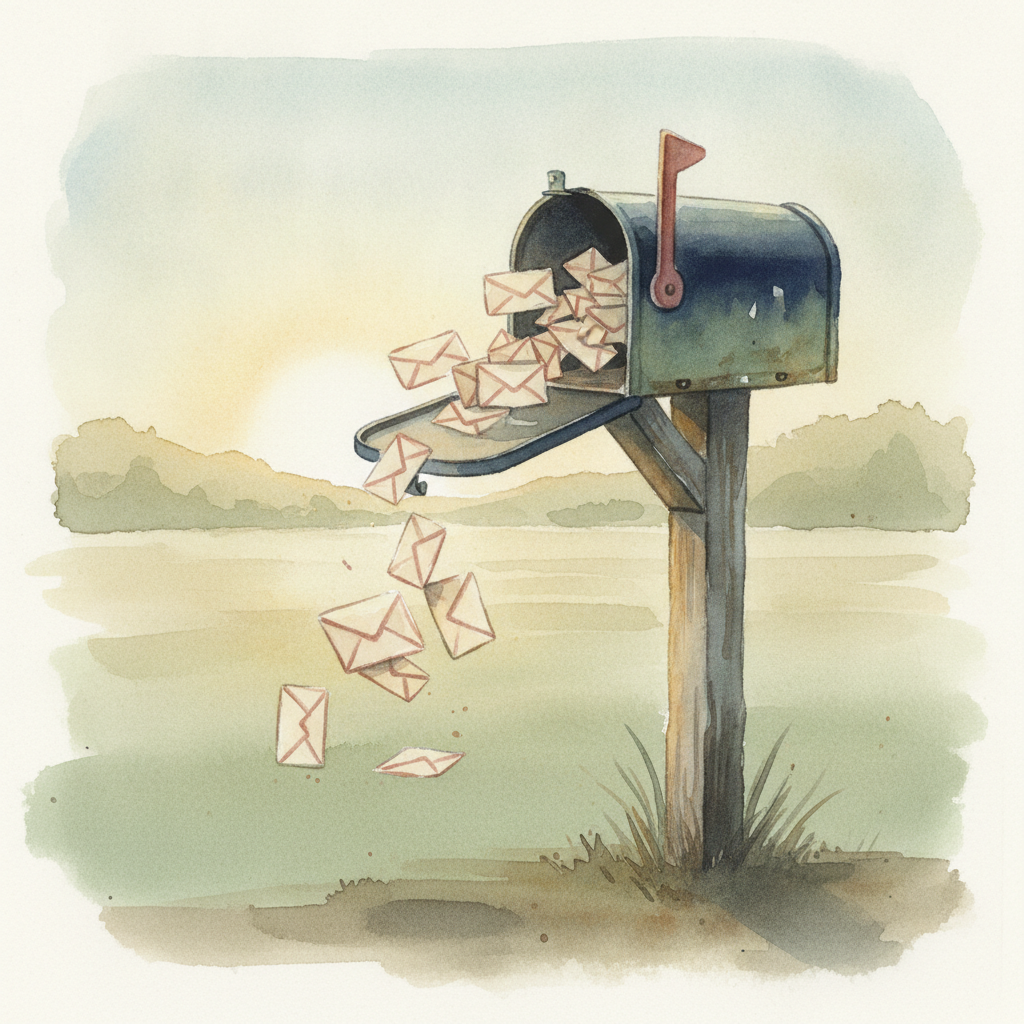
Most founders treat newsletters like a one-way broadcast channel. They write, hit send, and check open rates. This approach leaves money on the table.
The most successful newsletters run on a continuous feedback loop. They systematically collect subscriber insights, analyze patterns, and adjust content based on what their audience actually wants. Newsletters that implement formal feedback mechanisms see 43% higher engagement rates according to Litmus research.
Your subscribers know exactly what they need. They understand their pain points better than you do. They can tell you which topics resonate and which fall flat. The question is whether you're listening.
Building a newsletter feedback loop isn't about running occasional surveys. It's about creating multiple touchpoints where subscribers can share insights, then using that data to make decisions. Every reply, every click, every forward contains information you can use to improve.
Turn Newsletter Replies Into a Data Goldmine
Most newsletter platforms make it difficult to track replies. The default setup sends responses into a black hole. This is a massive missed opportunity.
Set up a dedicated email address specifically for newsletter replies. Route it to a tool like Front or Help Scout where you can tag and categorize responses. Create tags for common themes: feature requests, content suggestions, pain points, success stories.
Track reply rate as aggressively as you track open rate. A healthy newsletter generates replies from 2-5% of subscribers. If you're below 1%, your content isn't creating enough connection. Above 5% means you've built real engagement.
End every newsletter with a specific question that invites response. Not "What did you think?" but "Which of these three approaches have you tried?" or "What's your biggest challenge with X right now?" Specific questions generate 3x more replies than generic asks.
Review replies weekly and look for patterns:
- Which topics generate the most passionate responses?
- What questions come up repeatedly?
- What success stories do subscribers share?
- Where do they disagree with your perspective?
These patterns reveal your next content topics and the exact language your audience uses to describe problems. A strong newsletter content ideas system starts with subscriber language, not your assumptions.
Embed Feedback Mechanisms Directly in Your Newsletter
Waiting for subscribers to reply creates friction. The best feedback loops make sharing insights effortless.
Include single-question polls using tools like Typeform or Sprig embedded directly in your newsletter. Ask one focused question per issue: "Which framework would help you most?" with three specific options. Embedded polls generate 8x more responses than survey links according to Campaign Monitor data.
Add a two-click rating system at the end of each newsletter. "Was this helpful? Yes / No" with links that track responses in your analytics. This takes zero effort for subscribers and gives you immediate feedback on content performance.
Use link tracking strategically. Create multiple CTAs for the same resource with different anchor text. "Download the template" versus "Get the step-by-step guide" tells you which framing resonates. Track which links get clicks and which get ignored.
Test different content formats within the same newsletter:
- Short actionable tips versus long-form case studies
- Bullet points versus narrative paragraphs
- Data-heavy analysis versus story-driven insights
- Tactical how-to versus strategic framework
Your click patterns reveal format preferences without asking directly. If your "3 Quick Wins" section consistently gets 40% more clicks than your "Deep Dive Analysis" section, you know what your audience values.
Create a feedback CTA rotation. Don't ask the same question every week. Rotate between content preferences, pain points, success stories, and format feedback. This keeps the ask fresh while building a comprehensive picture of your audience.
Run Targeted Subscriber Surveys That Actually Get Completed
Annual surveys with 40 questions get 3% completion rates. They generate data you'll never use. Effective newsletter surveys are short, specific, and timed strategically.
Survey your most engaged subscribers first. Send a five-question survey only to people who opened your last three newsletters and clicked at least once. These subscribers already demonstrate interest and will provide higher-quality insights.
Ask about one topic per survey:
- Content preferences: "Which topics should we cover more?"
- Format preferences: "What's your ideal newsletter length?"
- Timing preferences: "When do you actually read our newsletter?"
- Business challenges: "What's your biggest obstacle with X?"
- Product direction: "Which feature would help you most?"
Limit surveys to 5-7 questions maximum. Include at least one open-ended question but make the others multiple choice for easy analysis. Offer a small incentive like exclusive content or early access to new resources.
Time surveys strategically around milestones. After a subscriber hits 30 days, send a quick check-in. After 90 days, ask about content mix. After they click a specific resource multiple times, ask what else would help with that topic.
A well-executed newsletter subscriber survey framework transforms random opinions into actionable data you can use immediately.
Analyze Behavioral Data Alongside Direct Feedback
What subscribers say they want and what they actually engage with often differ. Combine stated preferences with behavioral data for complete insight.
Track cohort behavior over time. Subscribers who joined in January may have different engagement patterns than those who joined in June. Different lead sources attract different subscriber types with unique preferences.
Measure these engagement patterns:
- Time between newsletter send and open
- Which sections generate the most clicks
- What content leads to the most forwards
- Which topics drive replies versus silent engagement
- What cadence maintains consistent open rates
Subscribers who open within the first hour have 60% higher lifetime value than those who open later, according to HubSpot research. Understanding when your most valuable subscribers engage helps you optimize send times and content for your best audience.
Look for unexpected correlations. Maybe subscribers who click your case studies have 3x higher reply rates. Maybe people who read on mobile prefer shorter formats. Maybe certain topics drive immediate engagement while others get saved for later.
Build segments based on behavior, not just demographics:
- High engagers: opened 80%+ of last 10 issues
- Topic enthusiasts: click specific content categories consistently
- Silent readers: high open rates but low clicks
- Strategic readers: save issues to read later
- Conversation starters: reply regularly
Each segment needs different content and different feedback approaches. Your high engagers can handle longer surveys. Your silent readers need one-click feedback options. Your conversation starters want open-ended questions.
Understanding the newsletter engagement measurement problem helps you track what actually matters beyond vanity metrics.
Close the Loop by Showing Subscribers Their Impact
Collecting feedback without acting on it destroys trust faster than never asking at all. The final step in your feedback loop is demonstrating that subscriber input drives real changes.
Publish a monthly or quarterly "You Asked, We Delivered" section. Highlight specific feedback you received and the changes you made as a result. "Last month, 73% of you said you wanted more tactical templates. This month we're launching..."
Newsletters that publicly acknowledge subscriber feedback see 28% higher reply rates according to Mailchimp's engagement studies. Subscribers become more willing to share insights when they see their input creates tangible results.
Give attribution when possible. "Sarah suggested we cover X topic, and 40 of you seconded it, so here's our deep dive." This transforms feedback from a one-way extraction into a collaborative relationship.
Create a rotating "Subscriber Spotlight" where you feature success stories shared in replies. Ask permission first, then showcase how subscribers applied your content and the results they achieved. This encourages more subscribers to share their wins.
Test major changes with a small segment first. If feedback suggests trying a new format, send it to your most engaged 10% and measure response before rolling it out broadly. Report back to that segment: "You tested our new format, and here's what we learned..."
Build feedback directly into your content calendar. Block one newsletter per quarter where the entire issue is driven by the most common subscriber questions and requests from the previous 90 days.
The most powerful insight loop is when subscribers realize their feedback shapes what they receive. They stop being passive readers and become active participants in creating the newsletter they want.
Frequently Asked Questions
What's the ideal newsletter reply rate to aim for?
A healthy newsletter reply rate ranges from 2-5% of total subscribers. Anything below 1% suggests your content isn't creating enough connection or you're not explicitly inviting responses. Above 5% indicates exceptional engagement but may become difficult to manage as your list grows. Focus on quality replies that provide actionable insights rather than volume. Track reply rate by cohort to identify which subscriber segments engage most actively with your content.
How often should I survey my newsletter subscribers?
Survey your entire list no more than twice per year to avoid fatigue. Instead, create a rotation of micro-surveys targeting specific segments monthly. Survey new subscribers at 30 days about onboarding experience, engaged subscribers quarterly about content direction, and inactive subscribers before considering removal. Keep all surveys under seven questions with mostly multiple choice options. The key is continuous small touchpoints rather than infrequent massive data dumps nobody analyzes properly.
Should I respond personally to every newsletter reply?
Respond to every reply that asks a direct question or shares a meaningful insight within 48 hours. For simple "thanks" or "great issue" replies, a brief acknowledgment is sufficient. Create templates for common questions but personalize each response with at least one unique sentence. Subscribers who receive personal responses become your most loyal readers and often your best referral sources. Batch reply sessions twice weekly rather than interrupting your workflow constantly.
What metrics indicate my feedback loop is working?
Track four key indicators: reply rate trending upward, survey completion rates above 20%, behavioral changes following feedback implementation, and subscriber referrals increasing. A functioning feedback loop should reduce unsubscribe rates as content becomes more aligned with audience needs. Monitor whether specific feedback-driven changes improve engagement metrics like click-through rate or forward rate. The ultimate measure is whether feedback helps you create content that drives your business goals more effectively.
How do I get more subscribers to complete my surveys?
Shorten your surveys to five questions maximum and explain exactly how long completion takes. Send surveys only to engaged segments rather than your entire list. Offer a small incentive like exclusive content, early access, or entry into a drawing. Most importantly, show previous survey results and the changes you made based on feedback. When subscribers see their input creates real impact, they're significantly more likely to participate in future surveys.
Transform Subscriber Insights Into Newsletter Growth
A systematic feedback loop eliminates guesswork from newsletter strategy. You stop creating content based on assumptions and start building exactly what your audience needs. This alignment drives three immediate outcomes: higher engagement rates, lower churn, and stronger word-of-mouth growth.
The framework is straightforward. Make feedback effortless through multiple touchpoints. Analyze both stated preferences and behavioral data. Most critically, close the loop by showing subscribers their input drives real changes. This transforms your newsletter from a broadcast channel into a conversation that compounds in value.
Implementing these feedback mechanisms reveals exactly which content drives business results. You'll discover which topics generate consulting inquiries, which frameworks get shared with colleagues, and which insights prompt subscribers to forward your newsletter. This intelligence makes every issue more valuable than the last.
If you want a newsletter that grows through engagement rather than paid acquisition, Inbox Alchemy builds and grows your newsletter for you. Book a free strategy call at inboxalchemy.co/application.
Written by

Investor • Founder • Creator
Ryan Estes is co-founder of Kitcaster, an eight-figure bootstrapped podcast booking agency acquired by Moburst in 2025. He created AI for Founders, a podcast, newsletter, and workshop platform reaching 47,000+ entrepreneurs and CEOs. Based in Denver, Colorado.