Why Most Founders Abandon Newsletters Too Early (And How to Avoid It)
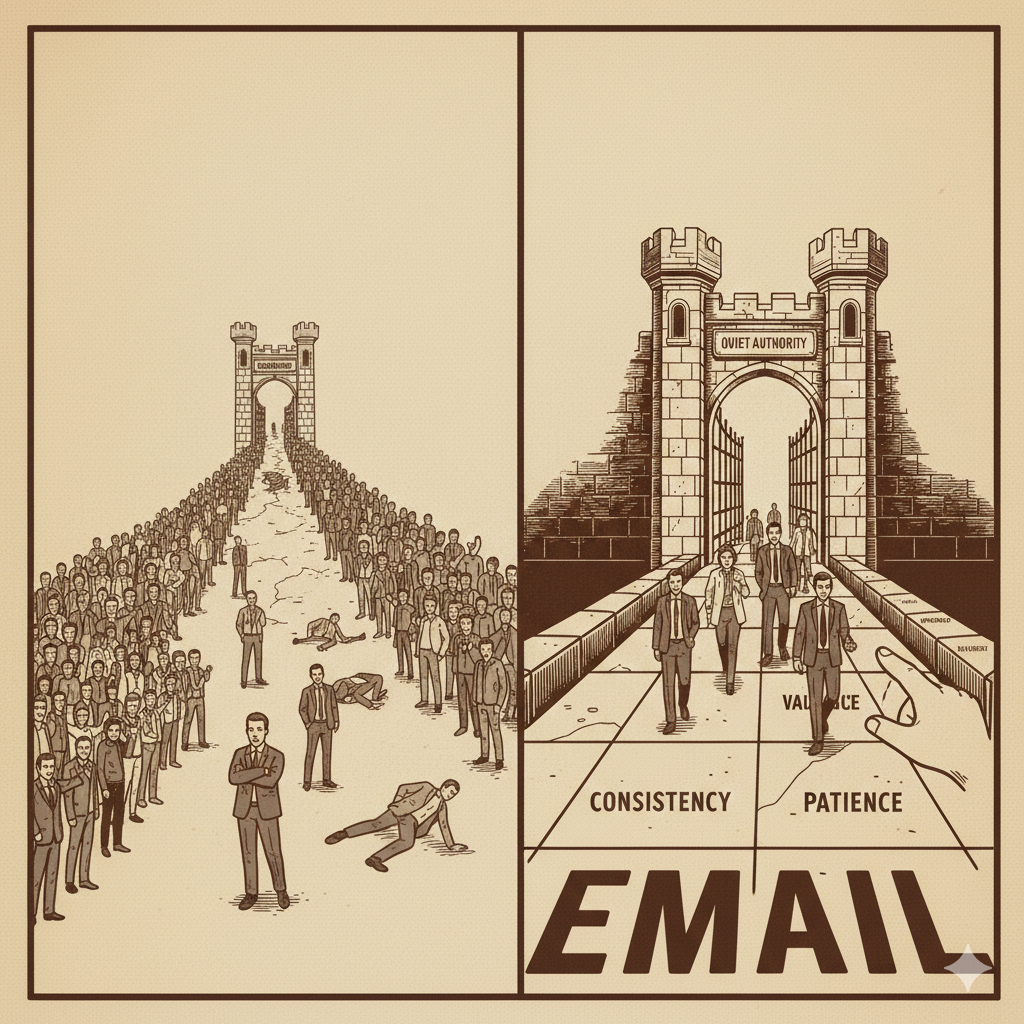
Founders launch newsletters full of ambition. They envision thousands of subscribers, viral growth, and immediate engagement. Weeks later, reality sets in: open rates plateau, clicks are modest, and growth feels slow. Many founders quit before the real value ever materializes.
Here's the inconvenient truth: newsletters are invisible compounding machines. Their power isn't instant. The gains accrue quietly, week by week, issue by issue. Most founders abandon them because they misunderstand what success actually looks like and what patience is required.
Expectation Mismatch: The Real Reason Founders Quit
The biggest reason newsletters fail isn't content quality, it's expectation mismatch.
Founders expect:
- Immediate virality
- Thousands of clicks in the first week
- Instant feedback and engagement
Reality delivers:
- Slow, steady growth
- Gradual trust-building
- Invisible influence that compounds before it converts
When expectations don't align with reality, discouragement sets in. The newsletter that could have become a strategic asset is abandoned for lack of visible results.
The Power of Invisible Compounding
The magic of newsletters lies in compounding influence over time. Unlike social media, which peaks and fades with algorithm changes, email grows predictably as you build trust, engagement, and reputation.
Here's how the compounding works:
- Early subscribers engage repeatedly: They open your first few issues and start to rely on your insights.
- Trust accumulates silently: Every consistent message strengthens credibility and builds familiarity.
- Audience grows organically: Loyal readers share your newsletter with peers, extending reach without extra spend.
- Influence compounds: Over months, a small, consistent audience generates disproportionate business outcomes like conversions, product adoption, partnerships, and revenue.
The compounding effect is invisible at first, which is why so many founders give up too early. The payoff exists, but only for those who persist.
Top reasons founders abandon newsletters (survey)
From interviews with 200 founders who stopped within 6 months.
Slow growth is not a signal to stop. It is the fee every durable newsletter pays on the way to compounding.
Newsletter survival rate by time published
% of newsletters still active at each milestone.
The 12% who make it to 2 years own the audience. The 88% who quit handed the category to someone else.
How to Avoid Early Abandonment
Founders can overcome impatience and expectation mismatch by reframing newsletters as infrastructure, not marketing. Here's how:
- Set realistic expectations: Growth and engagement build over months, not weeks. Plan for a slow ramp with visible and invisible milestones.
- Measure the right metrics: Track engagement, replies, and repeat opens, not just subscriber counts or vanity metrics. Trust compounds before numbers explode.
- Focus on consistent value: Every issue should teach, inform, or solve a problem. Consistency beats virality.
- Reframe effort as investment: Each newsletter issue builds a durable asset, your audience, your influence, and your business leverage.
- Leverage repurposed content: Convert blogs, social posts, or product updates into newsletter material to reduce friction and maintain cadence.
Persistence is what separates founders who turn newsletters into moats from those who quit and wonder why their growth stalled.
Founders Who Play the Long Game
The founders who succeed with newsletters think in terms of years, not weeks. They understand that early metrics don't tell the full story:
- Initial opens and clicks are small, but loyal subscribers multiply over time.
- Engagement patterns evolve; readers who didn't act in month one may convert by month six.
- Every issue strengthens authority, trust, and brand equity, assets that last far beyond a single post or viral moment.
By staying consistent, founders create leverage that compounds invisibly, eventually producing outsized returns compared to the effort invested. This is also why owning your audience matters more than renting attention on social platforms.
Three anchors that keep founders publishing past the dip.
Write down the one business outcome your newsletter creates: pipeline, positioning, or a community. When motivation drops, this reason stays.
Your readers do not need your best work every week. They need you, consistently. 'Good enough and shipped' beats 'brilliant and drafted' every time.
Track reply quality, inbound leads, and relationship depth. Not just subscriber count. These grow slowly but they compound. Count them consciously.
Making Newsletter Persistence Sustainable
- Batch content creation: Write multiple issues in one session and schedule them in advance.
- Use a repeatable framework: Predictable structures reduce cognitive load and maintain quality. A story-based framework works especially well.
- Engage your audience directly: Encourage replies, feedback, and sharing to reinforce trust.
- Celebrate small wins: Early engagement, even if modest, is proof your effort is compounding.
- Integrate into business strategy: Align newsletters with product launches, thought leadership, or partnerships to see tangible outcomes.
Persistence isn't just a mindset, it's an operational strategy that converts newsletters from a nice-to-have into a strategic asset.
What's Next
- Audit your current newsletter cadence and engagement metrics. Identify gaps in consistency.
- Commit to at least three months of consistent publishing before evaluating success.
- Measure engagement beyond subscribers: replies, clicks, and shares indicate compounding influence.
- Repurpose existing content to reduce writing friction and maintain cadence.
- Align each newsletter with strategic business objectives to maximize long-term impact.
Frequently Asked Questions
How long should I wait before judging my newsletter's success? Give it at least 3-6 months. Trust and engagement compound slowly, and initial metrics are rarely representative of long-term potential.
My open rates are low. Should I quit? Not necessarily. Focus on repeat engagement, replies, and clicks. Small, consistent engagement indicates trust is building. Learn more about measuring newsletter engagement.
Can I run a newsletter alongside social media? Yes. Social channels drive discovery, but your newsletter is the hub where influence compounds and converts into action.
Most founders quit newsletters too early because they mistake invisible compounding for failure. Every consistent issue builds trust, authority, and leverage that pays off over time. Founders who persist turn newsletters from marketing experiments into durable strategic assets, owned channels that deliver predictable influence, conversions, and business growth.
Written by

Investor • Founder • Creator
Ryan Estes is co-founder of Kitcaster, an eight-figure bootstrapped podcast booking agency acquired by Moburst in 2025. He created AI for Founders, a podcast, newsletter, and workshop platform reaching 47,000+ entrepreneurs and CEOs. Based in Denver, Colorado.